
Remote Architectural Collaboration: When Does It Actually Make Sense?


A practical look at how architecture studios can add capacity, manage workload peaks, and work with external teams without losing control of their process.
There is a difference between working remotely and collaborating remotely.
The first is about where people work. The second is about how work moves between people, teams and organisations. For architecture practices, that distinction matters.
A studio may have a strong design team, good clients and enough work for months ahead — and still struggle when several projects reach a critical stage at the same time. A competition deadline appears. A planning submission needs to go out. A BIM model needs coordinating. A set of drawings suddenly needs another round of documentation.
The problem is rarely a lack of work. It's a lack of capacity at the right moment. That's where remote architectural collaboration can make sense.
You Don't Always Need a Bigger Architecture Team
Hiring is usually the obvious answer when a studio has more work than its team can handle. But permanent hiring isn't always the most practical solution.
Workloads in architecture are rarely linear. A studio can be overloaded for six weeks and relatively quiet afterwards. A competition might demand an intense production effort over a few weeks, while another project needs additional BIM or documentation support for several months. Hiring someone permanently to solve a temporary capacity problem creates a different problem: fixed costs that remain after the workload has disappeared.
Remote collaboration offers another route. Instead of changing the permanent structure of the practice, a studio can bring additional capacity into the team for a specific project, stage or period of time — capacity that should feel like part of the team, not a separate company sitting outside the project.
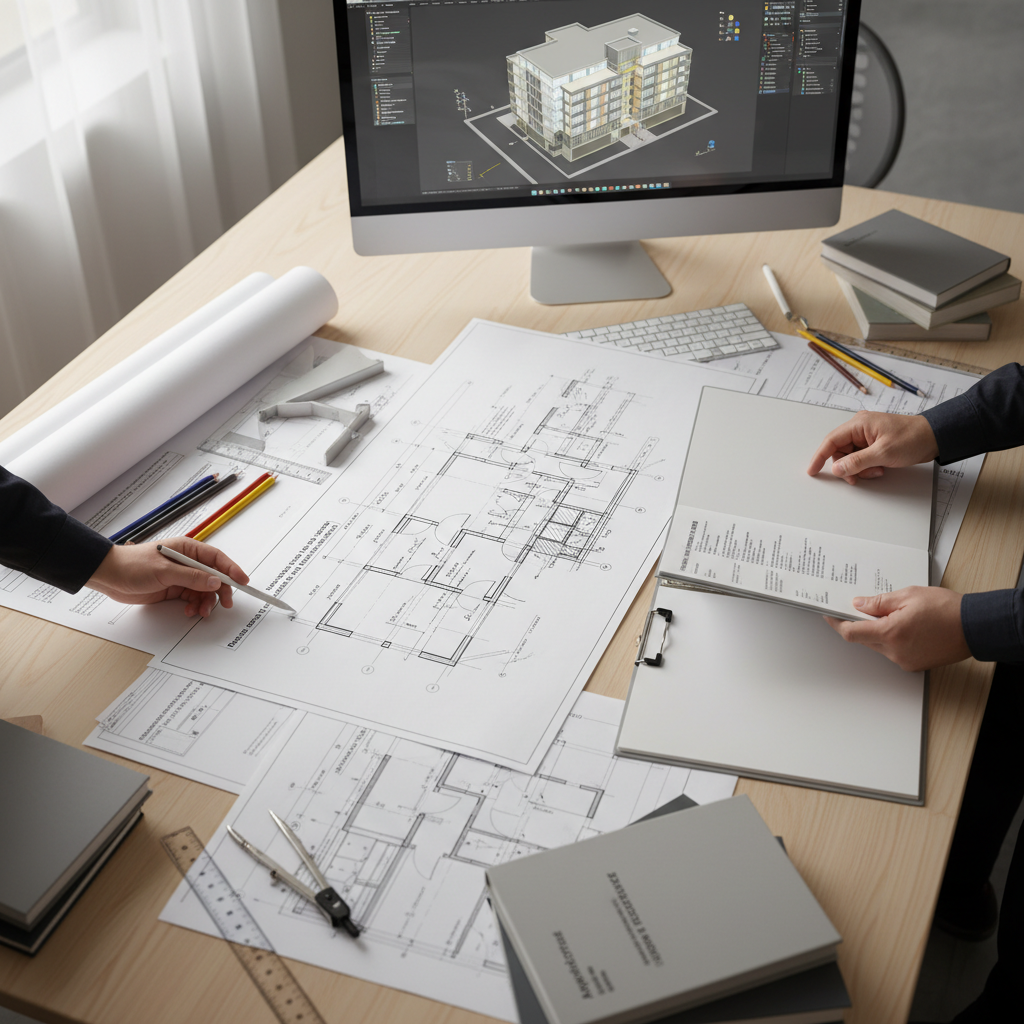
Remote Collaboration Is Not Just About Working From Different Places
The technology already exists. Cloud platforms, BIM software, video calls, messaging, shared documents and project management systems make it possible for people in different locations to work on the same project.
But technology isn't what makes remote collaboration successful. The real challenge is the workflow.
An external team needs to understand how the studio works:
- How are files structured?
- What BIM standards are being used?
- How are drawings named and organised?
- Who reviews the work?
- How are revisions communicated?
- Where are decisions recorded?
- What information is expected at each stage?
- Who is responsible for what?
Without answers to those questions, adding another team can create more coordination work than it saves. With them, the opposite happens: the external team becomes an extension of the studio's existing capacity.
When Does Remote Architectural Collaboration Make Sense?
There's no reason for every architecture practice to work with an external team — and there are situations where it probably doesn't make sense. But a few scenarios come up often enough to be worth naming.
1. When Your Workload Suddenly Increases
You have more projects than your current team can comfortably handle, but you're not sure the increased workload will last long enough to justify another permanent hire. An external team can provide additional production capacity while the workload is high, without changing the long-term structure of the practice.
2. When a Competition Deadline Is Approaching
Competitions are a special case. The amount of work required can increase dramatically in a very short period. Design development, drawings, diagrams, renders, layouts and presentation material all converge around the same deadline.
The studio usually already has the ideas and design direction established. What it lacks is enough hours to produce everything. This is exactly where an external team is most useful — when it can work within the studio's existing design language and workflow rather than starting from a blank page.
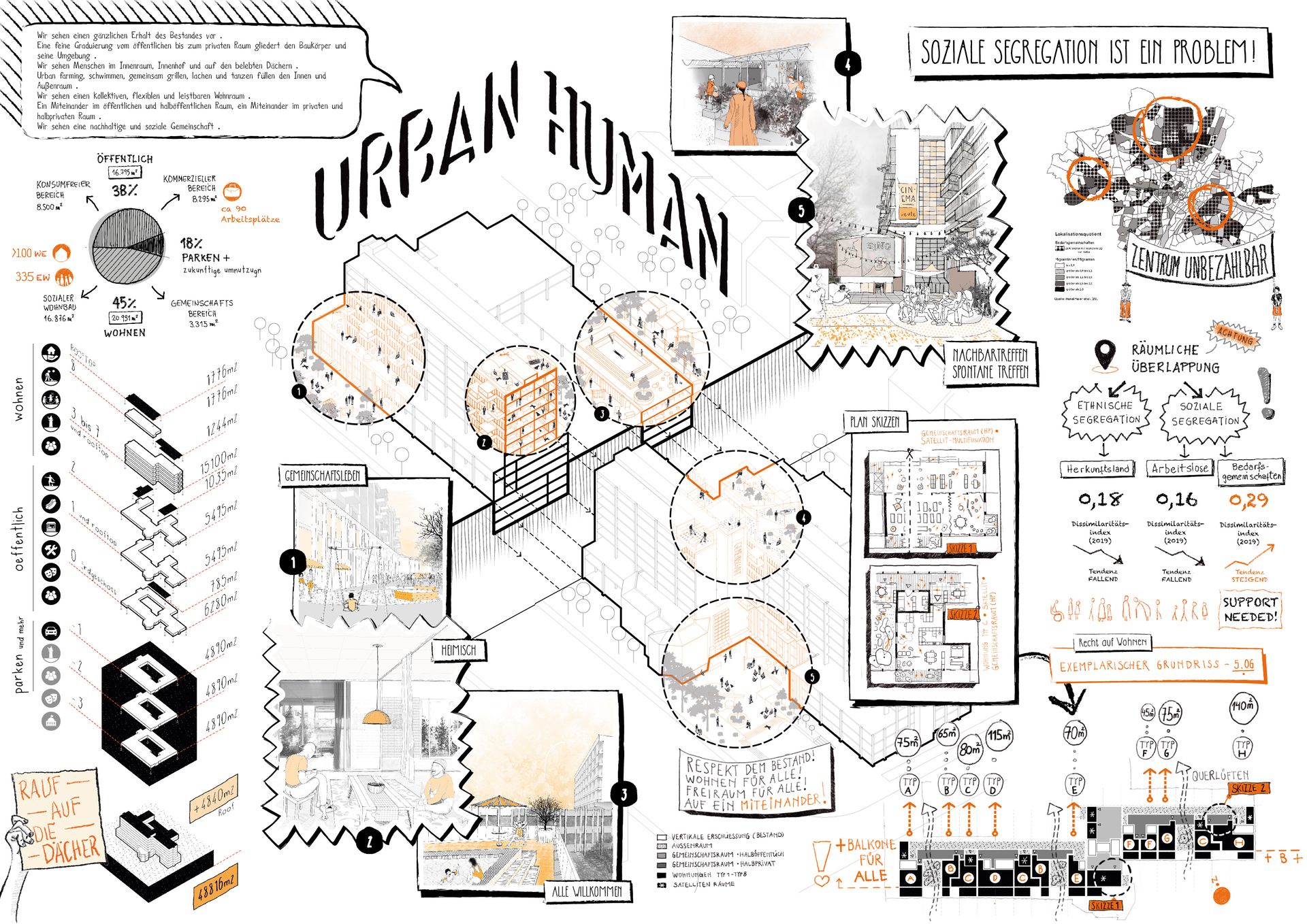
3. When Senior Architects Are Spending Too Much Time on Production
This is a common problem. A principal or senior architect ends up producing drawings, modelling repetitive elements or coordinating documentation simply because there's nobody else available to do it.
Sometimes the answer isn't another senior architect — it's additional production capacity. The senior team stays focused on design decisions, client communication and project management, while additional team members support the production workload. This doesn't mean separating design from production. It means letting each person spend more time on the work where their experience creates the most value.
4. When You Need a Specific Technical Capability
Sometimes the issue isn't the number of people — it's the type of expertise available. A studio might need additional BIM capacity, documentation experience, rendering, technical detailing or another specialised skill for a particular project.
Instead of building every capability internally, it can make sense to bring that expertise in when it's actually needed. This is often the case for smaller studios that don't need every specialist on their permanent payroll.
5. When You Want to Test Additional Capacity Before Hiring
There's also a less obvious benefit: working with an external team lets a studio understand how much additional capacity it actually needs before making a permanent commitment.
If the workload becomes permanent, hiring may eventually be the right decision. But it doesn't have to be the first one. Sometimes the immediate question isn't "Who should we hire?" — it's simply "How do we get this project delivered?"
The External Team Has to Adapt to the Studio
This is probably the most important point in the whole piece.
Remote collaboration doesn't work well when the external team expects the client to adapt to its own system. Architecture studios already have their own ways of working — templates, drawing standards, BIM conventions, folder structures, review processes, internal communication habits. A useful external team understands those systems and works within them.
The objective isn't to create a second workflow. It's to extend the existing one — which means spending time at the beginning of a collaboration understanding how the studio operates. Once that foundation is in place, the relationship becomes much more straightforward.
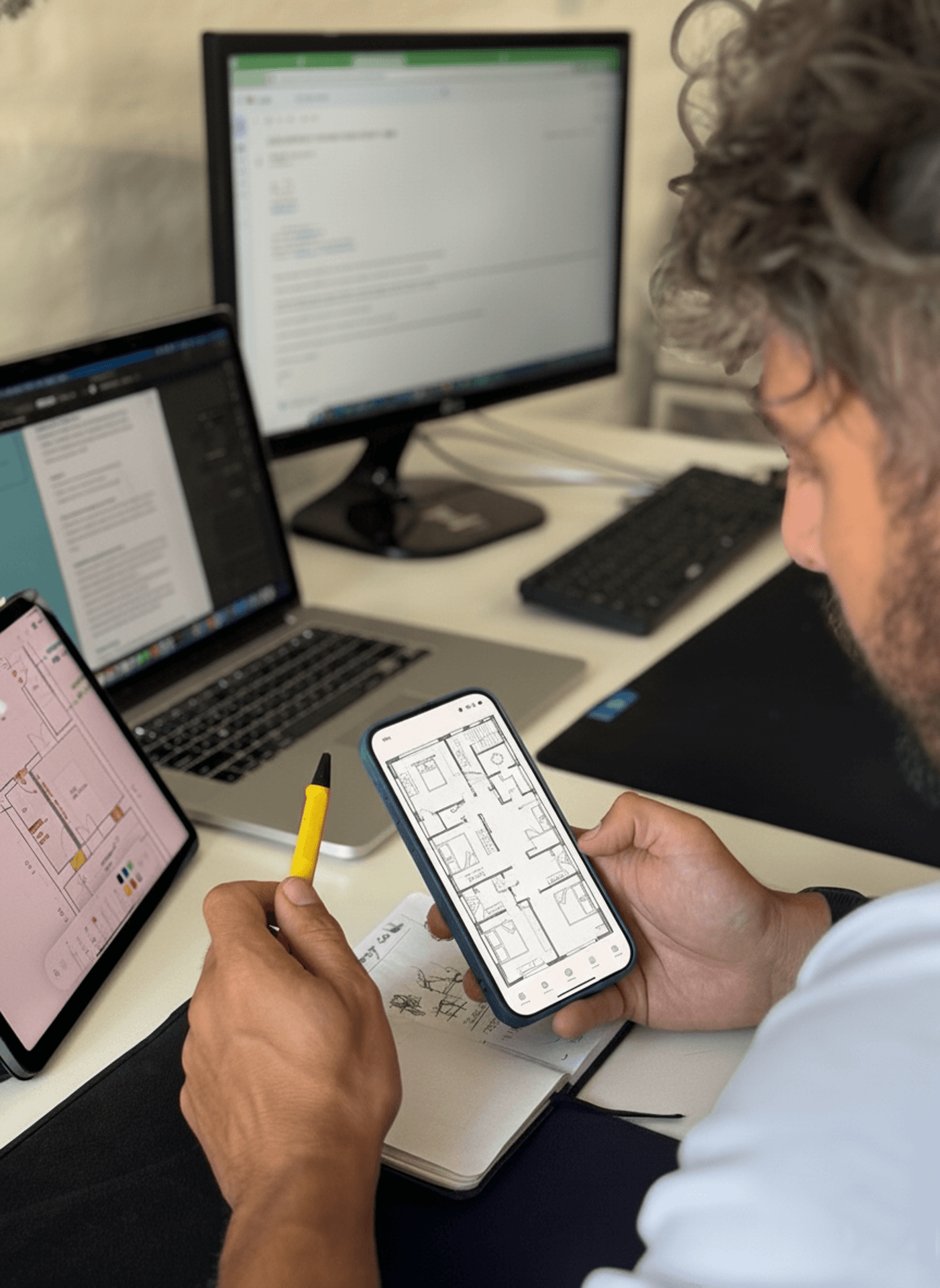
BIM Makes Distributed Collaboration Much More Practical
BIM has changed what it means to be part of an architecture team. A project no longer needs to exist as a collection of drawings sitting on one person's computer — the model, documentation and associated information can become a shared working environment.
Again, the software itself isn't the solution. A BIM collaboration works when everyone understands the rules of the project: model structure, naming conventions, libraries, templates, levels of development, drawing standards and coordination responsibilities. The more complex the project, the more this shared structure matters.
For an external BIM team, the goal isn't simply to "model the project." It's to understand how that model is being used by the studio, and to produce information that fits into the rest of the project.
Time Zones Can Become an Advantage
Working across different time zones is sometimes framed as a problem. It can be — communication gets harder if every decision requires everyone online at the same time.
But with a clear workflow, time zones can work in the studio's favour. The advantage isn't that somebody is "working while you sleep." It's that work can move between teams without requiring everyone to be online simultaneously. A studio finishes its day with a defined production task. The external team continues working on it. The studio comes back to an updated package that's ready for review.
This only works when the task, the information and the expected outcome are clear. Otherwise, the next morning just starts with a long list of questions.
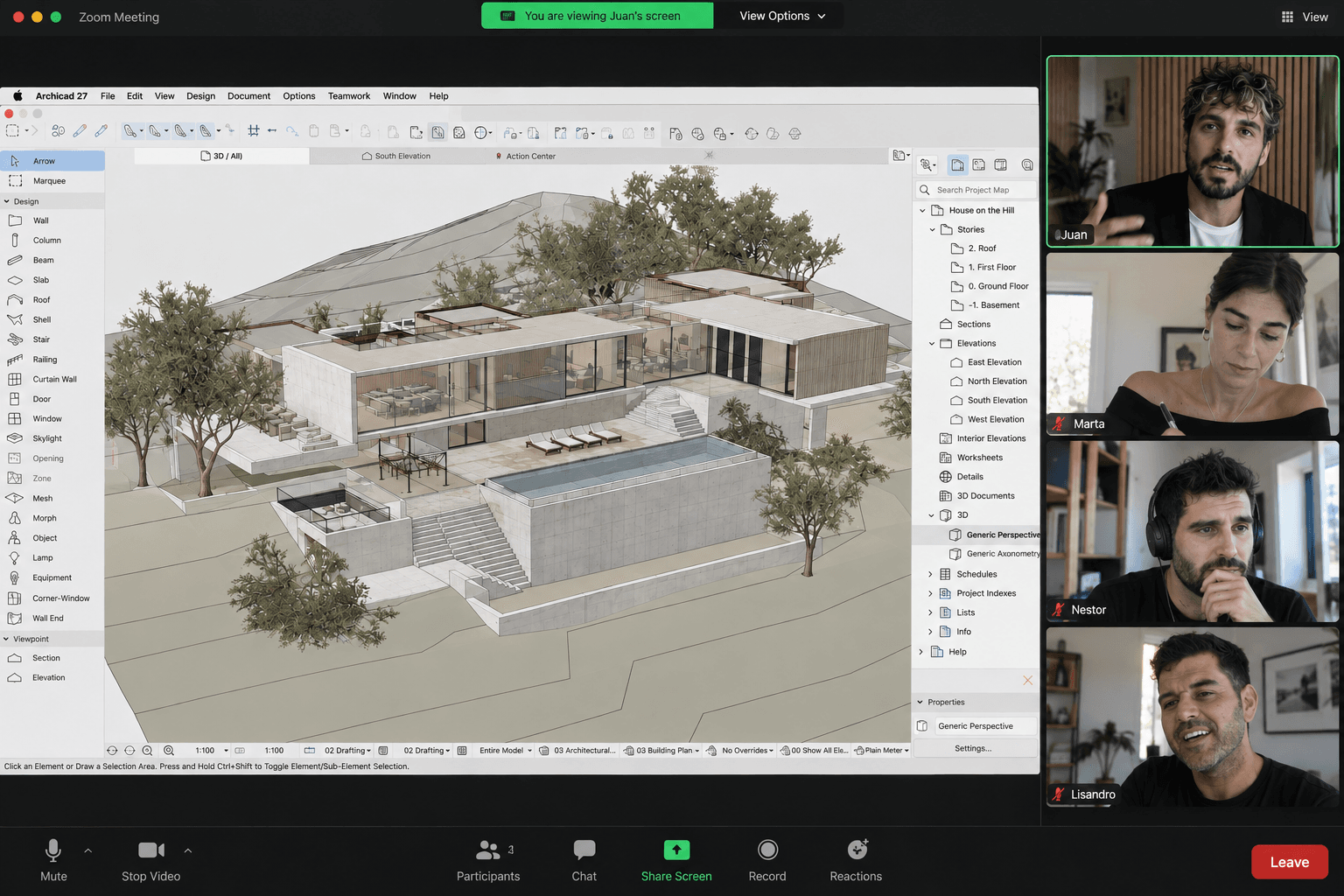
Remote Collaboration vs. Traditional Outsourcing
These two are often treated as the same thing. They don't have to be.
Traditional outsourcing usually starts with a simple transaction: here are the drawings, produce these deliverables. That model works for clearly defined tasks. But architecture is rarely made entirely of clearly defined tasks — projects change, designs evolve, information is missing, priorities shift, deadlines compress.
A collaborative external team has to operate within that reality. The relationship becomes less about purchasing a fixed number of drawings and more about adding capacity to the project team. The goal isn't to create distance between the studio and the people producing the work — it's to make that distance less relevant.
When Remote Collaboration Doesn't Work
Remote collaboration isn't automatically better. It tends to fail when:
- responsibilities are unclear
- there's no clear point of contact
- project information is poorly organised
- the studio has no established workflow
- revisions are communicated inconsistently
- the external team receives incomplete information
- nobody has defined who reviews and approves the work
- the relationship is treated purely as a low-cost production service
In those situations, adding people increases complexity instead of reducing it. More people don't automatically mean more capacity — the workflow has to be capable of absorbing them.
The Real Benefit Is Flexibility
For us, this is what makes remote architectural collaboration genuinely interesting.
It isn't really about remote work. It isn't about having people in different countries. And it isn't about replacing an architecture studio's internal team.
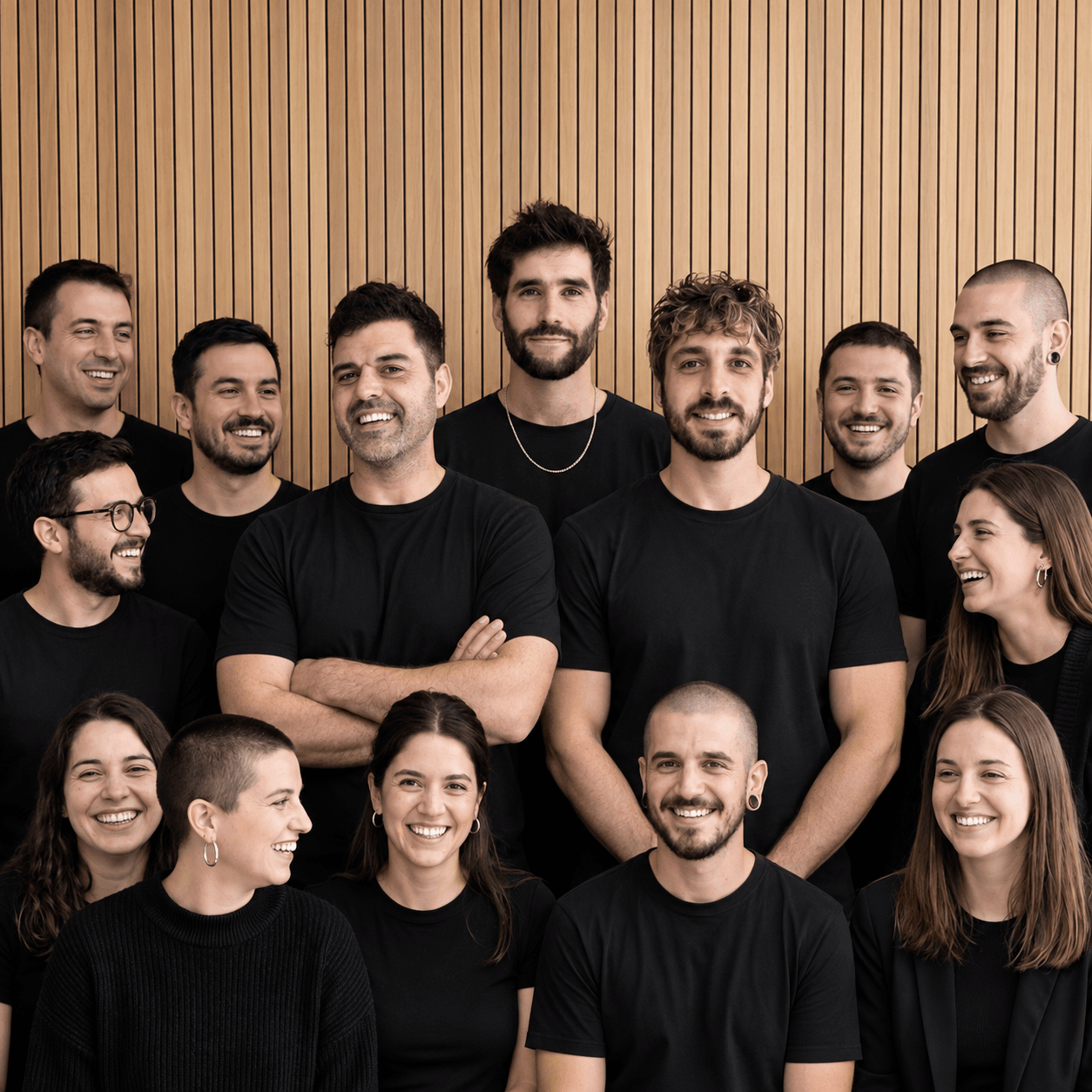
It's about giving a practice the ability to flex its capacity when the project demands it. Sometimes that means additional BIM production for a few months. Sometimes it means a team supporting a competition for three intense weeks. Sometimes it means taking documentation off the desk of a senior architect who needs to focus on design. And sometimes it simply means having someone else available when the workload outgrows the existing team.
The most effective collaboration is the one where the line between "internal" and "external" matters less than the quality of the workflow itself.
The goal isn't to work remotely. The goal is to build a team that can flex when the project demands it.
About Farqtory Co.Lab
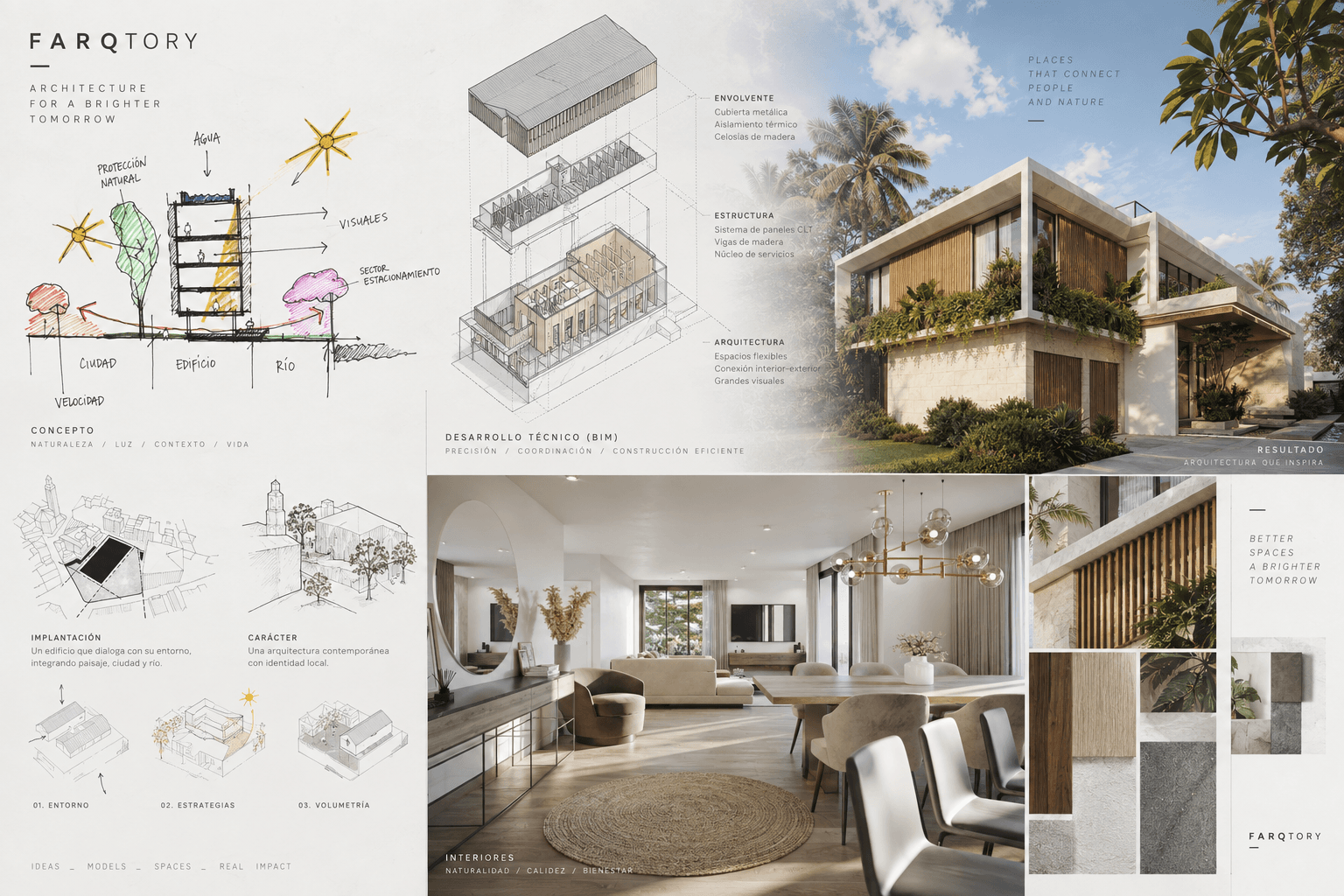
At Farqtory Co.Lab, we work as an extension of architecture studios — integrating into their existing workflows and methodologies to provide additional design, BIM, documentation, visualisation and graphic production capacity when it's needed.
Rather than replacing an internal team, the idea is simple: help studios take on more work without permanently increasing their fixed structure.
Facing a competition deadline or a workload spike right now? Chat with us! to see how Co.Lab can plug into your team for the stretch that matters.